
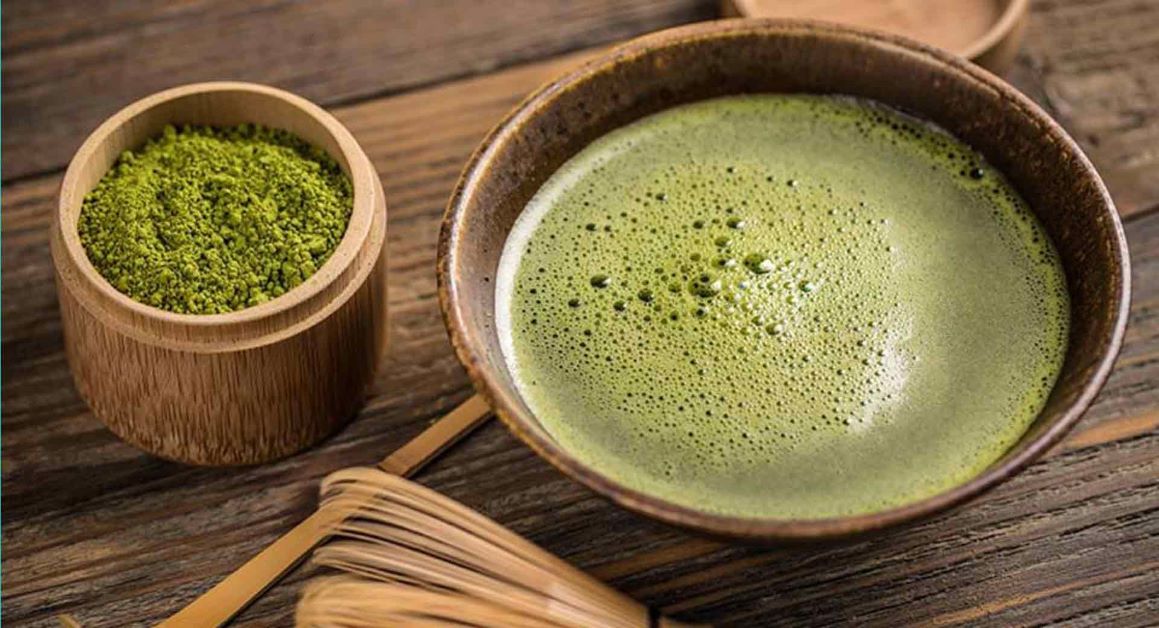
 Matcha Tea Benefits, Safety & How to Choose the Best Quality Matcha
Matcha tea has quickly become one of the most popular wellness drinks in the world. From morning routines to afternoon pick-me-ups, people are choosing matcha for its smooth energy, powerful antioxidants, and vibrant green color. But with popularity comes questions.
Is matcha really as healthy as people say? How much is matcha is too much matcha? And how do you choose a high-quality matcha you can trust?
In this article, you’ll learn:
- Key benefits of matcha
- Safe daily amounts and potential side effects
- How caffeine and L-theanine work together
- How to choose high quality matcha
- The most common FAQs asked (scroll to the end)
Let’s break down the most common concerns and highlight why premium matcha — like matcha teas from My Matcha Life® — can be a safe, energizing, and nourishing addition to your daily health routine.
1. What Are the Real Health Benefits of Matcha Tea?
Matcha is not just green tea — it is the whole leaf ground into powdered form. That means when you drink matcha, you consume the entire leaf and receive significantly more nutrients and antioxidants compared to simply steeped green tea.
✔ Powerful Antioxidants (EGCG)
Matcha is rich in antioxidant catechins, especially EGCG (epigallocatechin gallate), a potent antioxidant known for supporting cellular health and fighting oxidative stress. Antioxidants help protect the body from free radical damage, which contributes to aging and chronic disease.
✔ Calm, Focused Energy (L-Theanine + Caffeine)
Unlike coffee, matcha provides a unique combination of caffeine and L-theanine. This pairing promotes sustained energy without the jittery crash. L-theanine supports mental and emotional calmness and mental clarity, making matcha ideal for times when you need your brain to be ‘on’, such as learning or studying, giving a training or presentation, for physical performance and sports, and even creative endeavors like writing or painting.
✔ Supports Metabolism & Weight Management
Research suggests that the catechins in matcha may support thermogenesis (the body’s calorie-burning process). Combined with its clean energy boost, matcha can complement an active, balanced lifestyle. One study found that matcha’s EGCG catechin will pull energy from fat storage, predominantly in the abdominal area…. now that’s good news! Add matcha to your workout water bottle.
✔ Heart Health Support
Green tea consumption has been associated with supporting healthy cholesterol levels and overall cardiovascular wellness. Because matcha contains concentrated green tea compounds, it delivers these heart-supportive benefits in a powerful form.
✔ Gentle Detox Support
Matcha’s vibrant green color comes from chlorophyll, which develops during the shade-growing process. Chlorophyll supports the body’s natural detoxification processes and contributes to matcha’s clean, earthy flavor.
Bottom line: High-quality matcha is a nutrient-dense superfood that supports energy, focus, metabolism, heart health, and overall vitality. Just keep in mind that not all matcha is created equal in terms of the nutrient contents, as well as taste, color, etc.
2. Is Matcha Safe to Drink Every Day?
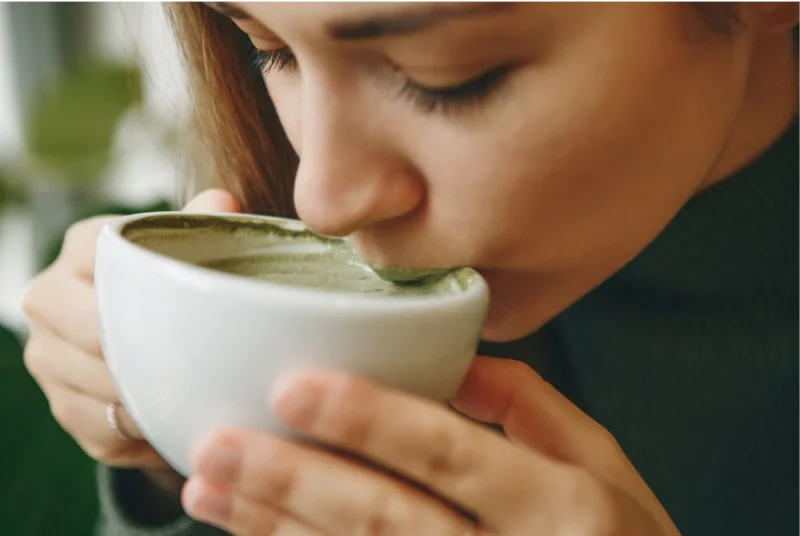
This is one of the most common questions — and the reassuring answer is: yes, matcha is safe for daily consumption when enjoyed in moderation.
How Much Matcha Is Too Much?
For most healthy adults, about 2 cups of matcha tea is considered a safe and beneficial amount. Depending on the individual, consuming more than 3–4 cups of matcha per day may cause sleep issues, jitters, or digestive discomfort. A recommended serving of ceremonial grade matcha, which is 1 gram (1/2 tsp), provides approximately 30-35 mg of caffeine, much less than a standard cup of coffee.
Will Matcha Make Me Jittery?
Thanks to L-theanine and the EGCG catechin, matcha’s caffeine is released more gradually into the bloodstream. Most people experience calm alertness rather than spikes and crashes. However, if you are sensitive to caffeine, start with less powder and assess your tolerance.
What About Toxins or Heavy Metals?
Because matcha is in a concentrated powder form, sourcing and testing matter. Choosing a clean, carefully sourced brand is essential.
At My Matcha Life®, quality and safety are top priorities. We drink matcha daily as do our family and friends, we want to make certain our matcha is safe to drink. All MML matcha is sourced with strict attention to purity, traditional growing, harvesting, and processing methods, and according to international food safety standards. We focus on premium-grade matcha that is carefully processed to maintain nutritional integrity while ensuring safety and consistency.
When you choose high-quality matcha from a trusted source, daily enjoyment is not just safe — it becomes a powerful wellness ritual.
3. How to Choose High-Quality Matcha (And Avoid Bitter, Dull Powder)
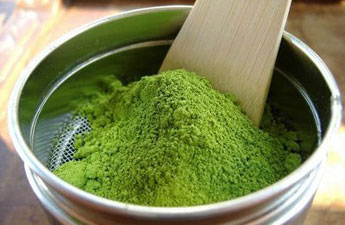 One of the biggest complaints about matcha is bitterness. The truth? Bitterness is usually a sign of lower-grade matcha.
Here’s what to look for when buying matcha:
- Bright, vibrant green color (not yellow or dull green)
- Fine, silky texture that froths easily
- Fresh, slightly sweet aroma small balls of matcha are a sign of freshness
- Smooth, umami flavor with minimal bitterness
My Matcha Life®’s matcha is crafted for tea lovers who want both exceptional taste and maximum wellness benefits. Our Tea Lover’s Organic Ceremonial Matcha is smooth, vibrant, and high in L-theanine, designed for daily drinking — whether you prefer a hot traditional whisked bowl or a tall glass of iced matcha. Our Barista’s Premium Matcha is ideal for matcha lattes and blender drinks, and for those who like a bold flavor, it works well for traditional matcha style too.
Why My Matcha Life® is a Safe & Nourishing Choice
When choosing matcha, you are choosing more than a beverage — you are choosing what you put into your body every day.
At My Matcha Life® , we believe matcha should be:
- ✔ Cleanly sourced and tested for heavy metals including lead
- ✔ Rich in antioxidants
- ✔ Smooth and never harsh
- ✔ Energizing without anxiety
- ✔ Crafted for daily wellness
Our commitment to quality ensures that you receive matcha that supports your health goals while delivering a delicious, balanced experience.
Final Thoughts: Is Matcha Worth It?
If you are looking for sustained energy, enhanced focus, powerful antioxidants, and a nourishing daily ritual, matcha is absolutely worth exploring.
The key is choosing high-quality matcha from a brand that prioritizes purity, taste, and safety.
When sourced and prepared properly, matcha is not just a trend — it is a centuries-old superfood that fits beautifully into modern wellness lifestyles.
Ready to Elevate Your Daily Health Ritual?
Experience the vibrant energy, smooth taste, and wellness benefits for yourself.
Explore our Tea Lover’s Organic Ceremonial Matcha and discover your new favorite daily ritual.
Matcha Tea FAQs: Safety, Benefits & Quality Explained
Is matcha actually good for you?
Yes — high-quality matcha is rich in antioxidants, L-theanine, and natural caffeine that support energy, focus, metabolism, and overall health. Because matcha uses the entire tea leaf, it delivers more concentrated nutrients than traditional green tea. Choosing premium-grade matcha, like Tea Lover’s Organic Ceremonial Matcha, ensures you receive maximum benefits without the bitter taste of lower-quality powders.
Is it safe to drink matcha every day?
For most healthy adults, 1–2 servings of matcha daily is safe and beneficial. Daily matcha can support sustained energy and overall wellness. Keep in mind, not all of matcha’s benefits are immediate, some, like weight loss, are cumulative and happen over time. The key is sourcing and processing — clean, tested, and carefully cultivated Japanese matcha reduces concerns about contaminants like pesticides and heavy metals, and ensures a smooth, balanced matcha experience.
Does matcha have more caffeine than coffee?
No — matcha contains less caffeine than coffee. One serving of matcha (1 gram or 1/2 tsp) provides about 25-35 mg of caffeine, while coffee averages 95–120 mg per cup. Matcha’s EGCG catechin slows caffeine absorption, and its L-theanine adds a calming aspect, resulting in a steady, calmly energized feeling instead of jitters or crashes.
Why does matcha make you feel calm but energized?
Matcha contains L-theanine, an amino acid that promotes mental and emotional calmness and helps to reduce feelings of anxiety. When combined with caffeine, it creates a balanced state of alert calm — often described as “focused energy.” In this day of ‘distractions’, focused energy is something we can all use! Did you know…. high quality matcha is nature’s highest source of L-theanine?
Why does some matcha taste bitter or fishy?
Bitterness or fishy taste usually indicates low-grade matcha made from older leaves. High-quality matcha should taste smooth, slightly sweet, and rich in umami. Lower grades of matcha in the market today often have the twigs and stems left in when they grind it into powder. This creates more volume but a much lower quality product. If your matcha isn’t vibrant green, don’t waste your money. My Matcha Life’s Tea Lover’s Organic Ceremonial Matcha is hand picked during the first flush of spring, delivering a vibrant color and a clean, smooth taste.
How do I know if my matcha is high quality?
Look for bright green color, fine texture, smooth flavor, and reputable sourcing from Japan. Dull green or brownish powder often signals lower quality. Premium matcha should froth easily and taste fresh, not astringent. Quality sourcing and careful processing make all the difference in both taste and health benefits. Price too, is usually an indicator. Anywhere from $30 to $40 dollars for a 1 oz / 30g tin should get you a good quality ceremonial matcha. Much higher cost than that per ounce and the nutrient levels aren’t really any different. You’re paying for something else, like status. Lower than $30 for an ounce? Just make sure it’s a premium grade from Japan and isn’t marketed as ‘ceremonial’ when it isn’t. Our Barista’s Premium Matcha fits into this category, it’s a premium matcha without the premium price, ideal for lattes and blender drinks and smooth enough for traditional style too.
Can matcha help with weight loss?
Matcha may support metabolism and fat oxidation as part of a balanced lifestyle. Its catechins, especially EGCG, are associated with thermogenic activity, as is its caffeine content. While matcha is not a magic weight loss solution, it can complement healthy lifestyles.
Is matcha safer than coffee?
Many people find matcha gentler than coffee because of its balanced caffeine release. The presence of L-theanine and EGCG catechin helps reduce the sharp spikes and crashes commonly associated with coffee. When sourced properly, matcha can be a clean, steady alternative for daily energy. Added bonus is that if you want to stop drinking matcha for a few days there are no withdrawal symptoms like with coffee, no headaches or nausea, no fogginess.
Are there toxins or heavy metals in matcha?
Quality and sourcing determine purity. All food grown in soil contains heavy metals, matcha tea plants are no exception. The key is to monitor and test levels of heavy metals and toxins from each harvest, ensuring amounts are within the safe level limits. Because matcha uses the whole leaf, it is important to choose brands that prioritize clean cultivation and careful processing. My Matcha Life® focuses on premium sourcing standards to provide a safe, vibrant matcha you can feel confident enjoying daily.
Who should avoid or limit matcha?
People who are pregnant, highly sensitive to caffeine, iron deficient, or taking certain medications should consult a healthcare professional. For most individuals, moderate daily consumption is well tolerated and beneficial. If iron absorption is an issue, try drinking your matcha an hour outside of high iron meals. If you are sensitive to caffeine, drink it before noon and not in the later afternoon. Pregnant or breastfeeding women should consult their health care professional in regards to ingesting caffeinated products.
Leave a Reply
You must be logged in to post a comment.